How Venus cut search misses to 0.0015%
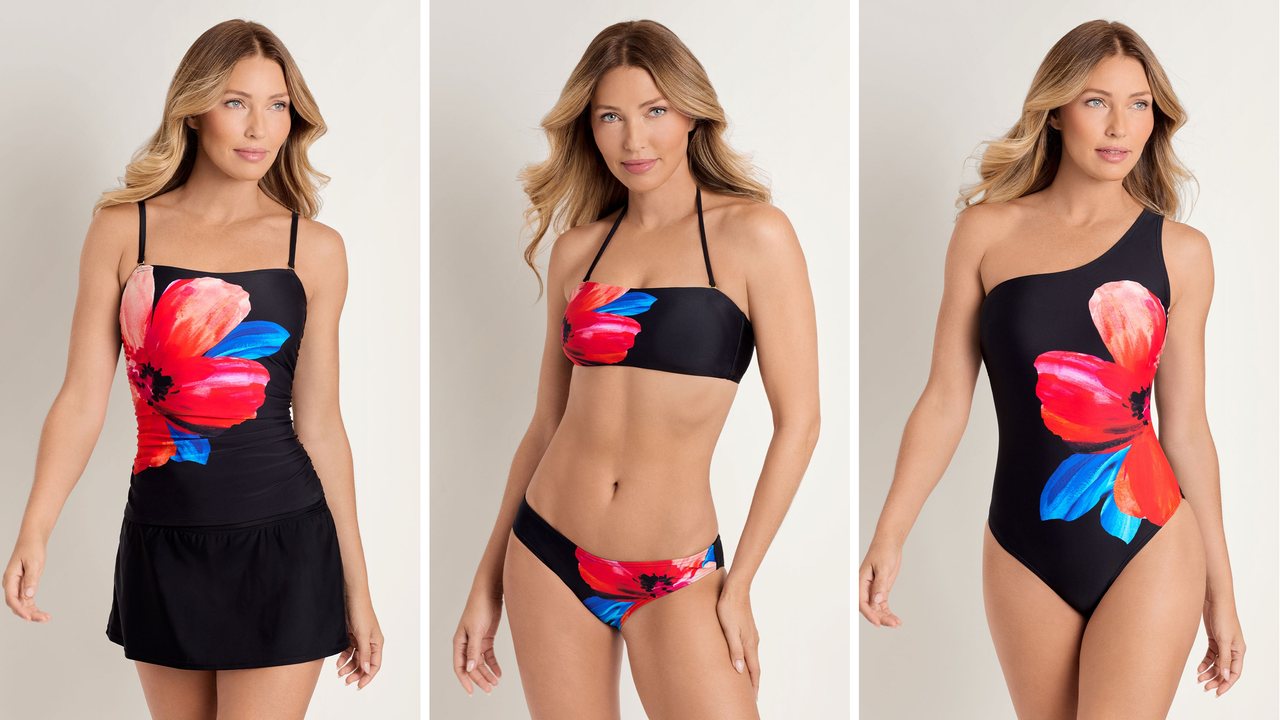
Venus started in 1982 as a catalog business selling women's swimwear. Over the decades, it added apparel, and the mix is now roughly half swimwear, half ready-to-wear.
Shoppers have bought from the brand for years and know what they want.
The current team took Venus over in December 2025 and migrated their account two days before Christmas.
They inherited about a third of the old inventory, plus a pile of dead links and products that no longer matched what customers came for.
Erin Di Ienno runs everything Shopify-related across the company's six ecommerce sites, from new apps to A/B tests. She had already led the group's move off Magento, and her goal was to keep the same ecommerce stack across every brand.
The problem: Why the old search and merchandising setup stopped working
The search and filter app Venus used, Boost AI Search & Filter, caused three problems for the team:
- Search missed obvious intent. A shopper typing "linen dress" into the mega menu got pants or tops, even though a linen dress collection existed. Erin saw the mismatch in her analytics, and shoppers showed it in frustration clicks.
- Every fix was a manual redirect. When a query missed, Erin set up a redirect by hand. With a catalog that spans swimwear, dresses, and the odd pair of boots, the list of random queries never ended.
- Every email send meant re-sorting collections. Venus's merchandiser re-pinned products by hand each time a campaign went out so the featured item sat at the top.
Inline promos made it worse. Adding one to a 36-product grid pushed the count to 37 and left an orphan on the last row.
Boost also had no way to link a bikini top to its bottom, so shoppers hunted for the other half.
“We literally would have to adjust everything every time an email was sent manually.” - Erin Di Ienno, Shopify Lead, Venus
The solution: How we set up search and merchandising for Venus
Venus found us through a recommendation. Erin had talked to plenty of vendors at industry events, and none fit.
It took a couple of meetings with our team to work through everything Venus needed. The deciding factor was customization.
“One of the biggest reasons we switched is that we can customize everything.” - Erin Di Ienno
Here is what the Venus team runs today:
- Product sequencing and sets. When a bikini top is featured, its matching bottoms automatically sit next to it. Nobody digs through the catalog to find the other half.
- Merchandising rules by channel. Campaign collections are built ahead of time with the UTM parameters attached, using contextual conditions and rule scheduling.
- Inline promos. Sale callouts and discount-code tiles sit inside the product grid.
- Recommendation blocks. They run across the storefront alongside search and collections.
- AI Search with live suggestions. Typing "wed" surfaces the top three wedding dresses on sale right now.
“We can literally set it and forget it. She can build them in advance. She knows what products are getting featured. Here are the UTM parameters. We're good to go.” - Erin Di Ienno
A custom search bar built for Venus is next on the roadmap.
The impact: What changed in the first 60 days
Tracked traffic starts around August 3, so these numbers cover about 60 days live, through October 1.
The last 30 days compare well to the 30 before:
- Collection revenue rose 65% on 28% more collection views.
- Collection AOV rose 27%.
- Search click-through rate rose 22%, from 32.6% to 39.9%, and add-to-cart rate rose 25%, from 8.5% to 10.6%.
- Search revenue rose 14% on 2% fewer searches, lifting revenue per search 18%.
Search also stopped missing. The zero-result rate is 0.0015%, and it was zero over the last 30 days.
"Jeans" is now the top revenue-driving term, followed by swim skirt, tankini, jumpsuits, and denim.
Behind that sit roughly 23,900 intent-modifier applications, 28 auto-learned score floors, 9 semantic redirects, and 5 ranking rules. Most of it runs without anyone touching it.
Erin watches session replays in LogRocket, and she says frustration clicks on the search bar have dropped.
“I've seen a lot less, a substantially smaller amount of frustration clicks with the search bar. Customers will actually go into a collection; you can see the funnel a little bit better. Before, they would just get angry and bounce.” - Erin Di Ienno
In addition, we save the Venus team 20 to 40 hours a month because one person can build and schedule merchandising in a single sitting.
Erin expects that to grow as more of the group's sites move over.
Intent matching is automatic now, so nobody spends hours in the data turning missed queries into manual redirects. For a team spread across several sites, those hours count double.
Erin rates us a 10 out of 10, and support is why.
“The amount of support we've gotten from you guys has been night and day compared to Boost. If I needed something from Boost, I would literally have to send them a message, wait for an email (usually 2 to 3 business days), and then maybe they'd get back to me.” - Erin Di Ienno
Our cofounder, Jake Casto, is in a shared Slack channel with the team and checks in several times a day.
Once, he fixed a collection problem for Venus's marketing director that had nothing to do with us, before Erin even saw the message.
In 60 days, Venus went from a search bar that returned pants for "linen dress" to a 0.0015% zero-result rate, 65% more collection revenue, and a merchandiser who builds campaigns once and moves on.
Six sites share one team, and every hour that team gets back goes to the next brand.
Your catalog has its own "linen dress" problem. Book a demo, and we'll show you what shoppers are searching for and not finding.